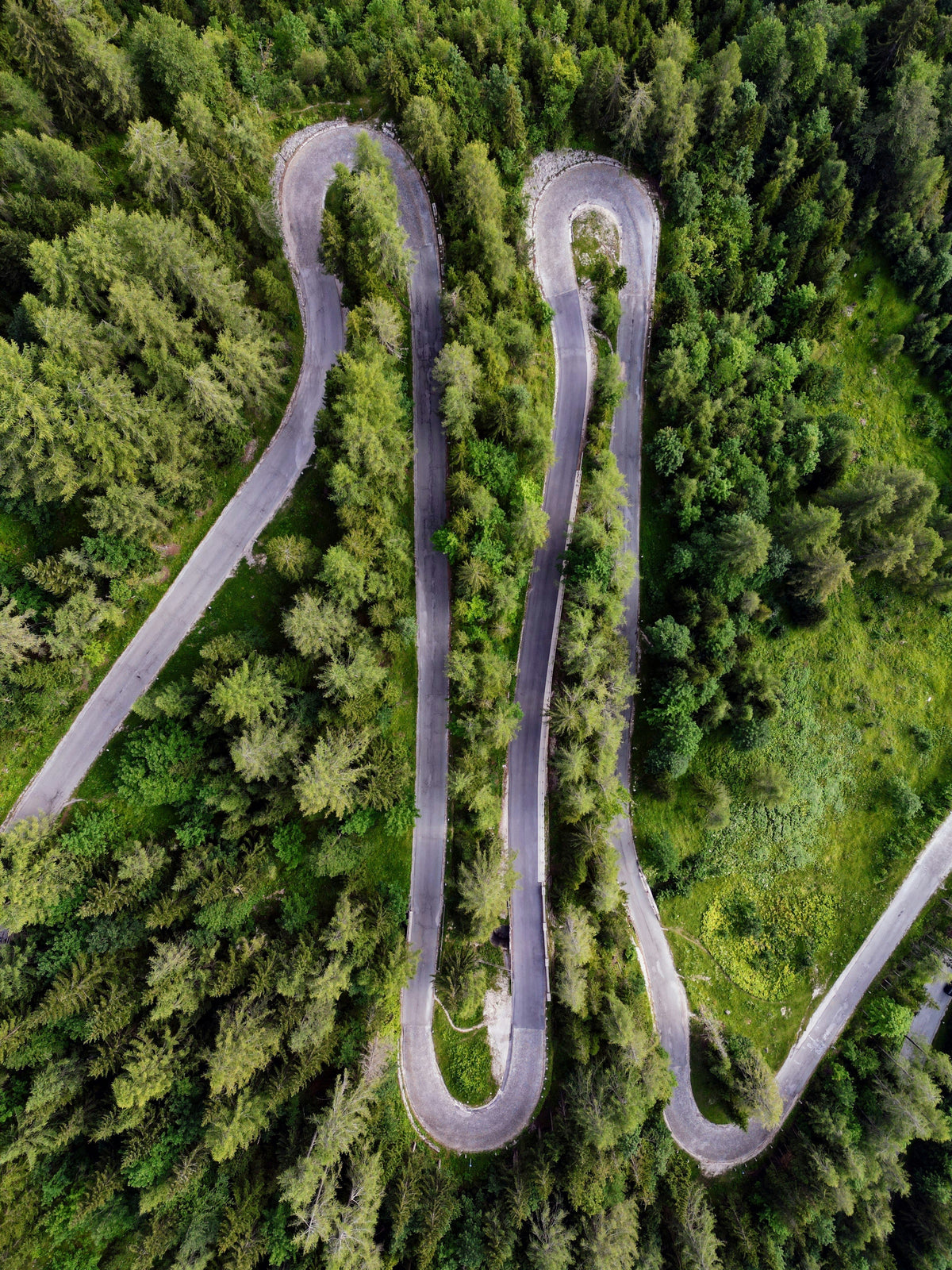
The snow came overnight, and by the time the peloton rolled out of Chiesa in Valmalenco on 5 June 1988 the road to the Gavia had been scraped clear while the forecast still said what it said. Vincenzo Torriani sent them up anyway. Near the 2,621-metre summit the flakes thicken, the gloves stiffen, and the brake hoods stop reporting back to the fingers wrapped around them. Dominique Gaigne is carried into a shelter with frozen hands. Andy Hampsten attacks into the weather, Erik Breukink passes him with seven kilometres left, and by Bormio the American is wearing the maglia rosa, the first of his countrymen ever to do so.
RCS Sport laid out the 2027 Giro in Rome on 3 November, and its third week reads like a reply to that day. Stage 16, on Tuesday 25 May, runs 192 kilometres from Sondrio to Aprica with 5,700 metres of climbing, and it takes in the Mortirolo twice with the Gavia sitting between the two ascents. Four days later the Zoncolan closes the race, Pordenone to the summit over 180 kilometres, the mountain's first visit since 2021. The two time trials (19.6 kilometres uphill at Campo di Giove, 37.3 flat from Monza to Milan) add up to 56.9 kilometres, which leaves the climbers the whole menu. The race starts in Trieste on 8 May and finishes in Rome on 30 May: 21 stages, 3,418.9 kilometres.
Hampsten finished that 1988 Giro 1 minute 43 seconds clear of Breukink, with Urs Zimmermann third at 2:45, the first American to win the race. The Mortirolo arrived two years later, first used in 1990, and it has held its own legend since: 12.4 kilometres from Mazzo di Valtellina at an average of 10.5%, with ramps touching 18%. A stage that stacks it on both sides of the Gavia puts the two great mountain stories of the modern Giro on one road, and gives the 5,700 metres a shape the profile alone cannot show.
The opening days carry their own history of a race going on when sense said stop. Trieste in 1946 sat under British and American control while Italy and Yugoslavia argued over who owned it, and the Giro of that first postwar summer (15 June to 7 July) moved its finish away from the city and then moved it back. Near Pieris, roughly 40 kilometres from the line, stones came at the riders and shots were fired, and Gino Bartali and Fausto Coppi refused to continue until a compromise let those who wished to ride into Trieste do so under American escort, with the rest credited the same time. Bartali went on to win the Giro by 47 seconds over Coppi. Eighty-one years later the race starts in the same city on a Saturday in May, a 172-kilometre loop that begins and ends in Trieste.
Stage 2 then crosses into Slovenia, Ljubljana to Koper, 166 kilometres ending on the Adriatic, a day Escape Collective pegs for the punchier riders and one that passes through the home country of Tadej Pogačar. The border that stones and shots once guarded in 1946 becomes a start list's postcard, and the Giro, which has always treated frontiers as part of the course, takes it in stride.
All of it points toward the last week of May. The Mortirolo twice on the 25th and the Zoncolan on the 29th make a pair of days worth clearing a diary for, and anyone with a spare week and a rental bike in Valtellina has a summer ride waiting on the Mazzo side, where 10.5% over 12.4 kilometres will explain a great deal about what the 2027 peloton is about to face.
Sources: Escape Collective, IDL Pro Cycling, Wikipedia, 1988 Giro d'Italia, Wikipedia, 1946 Giro d'Italia, Wikipedia, Mortirolo Pass, Il Foglio